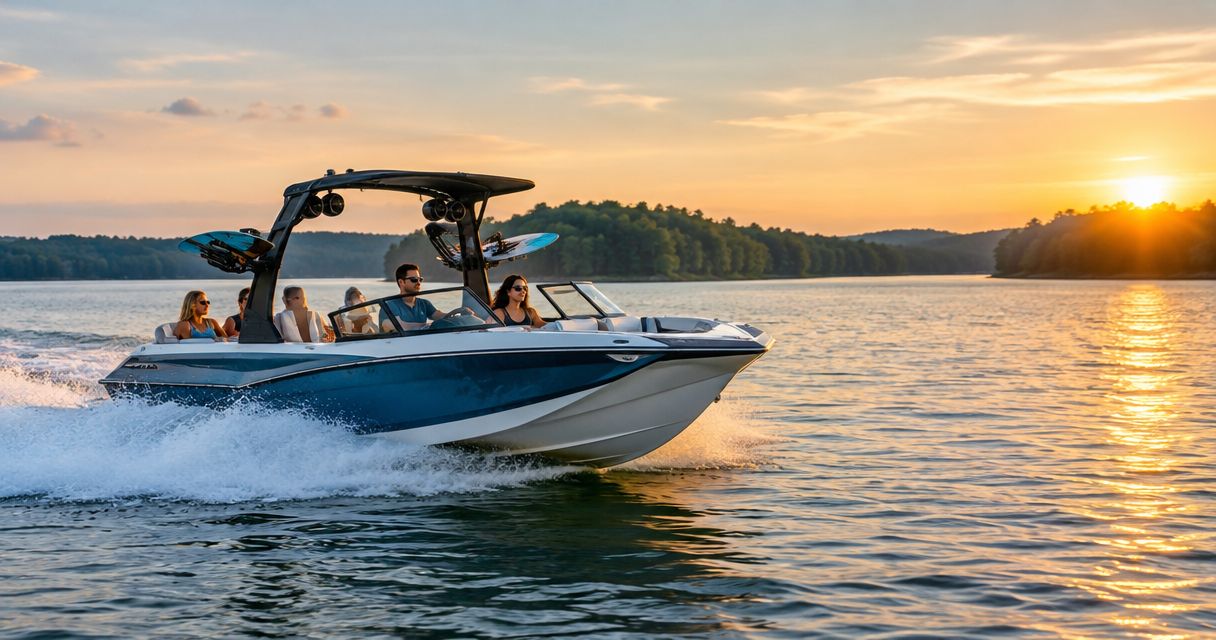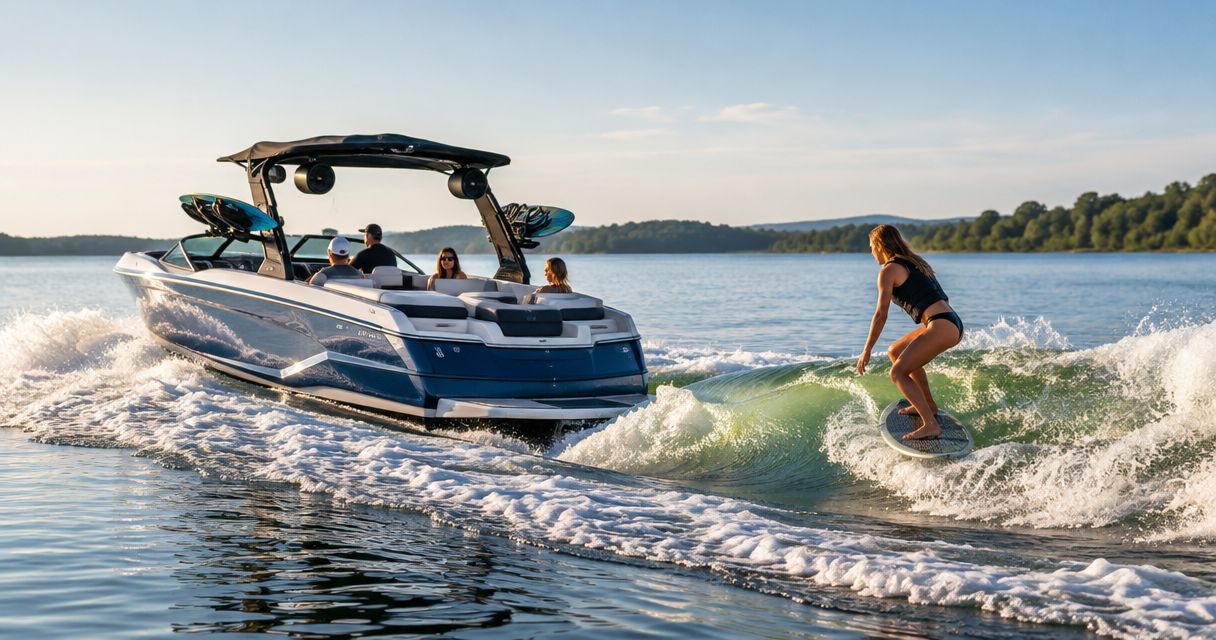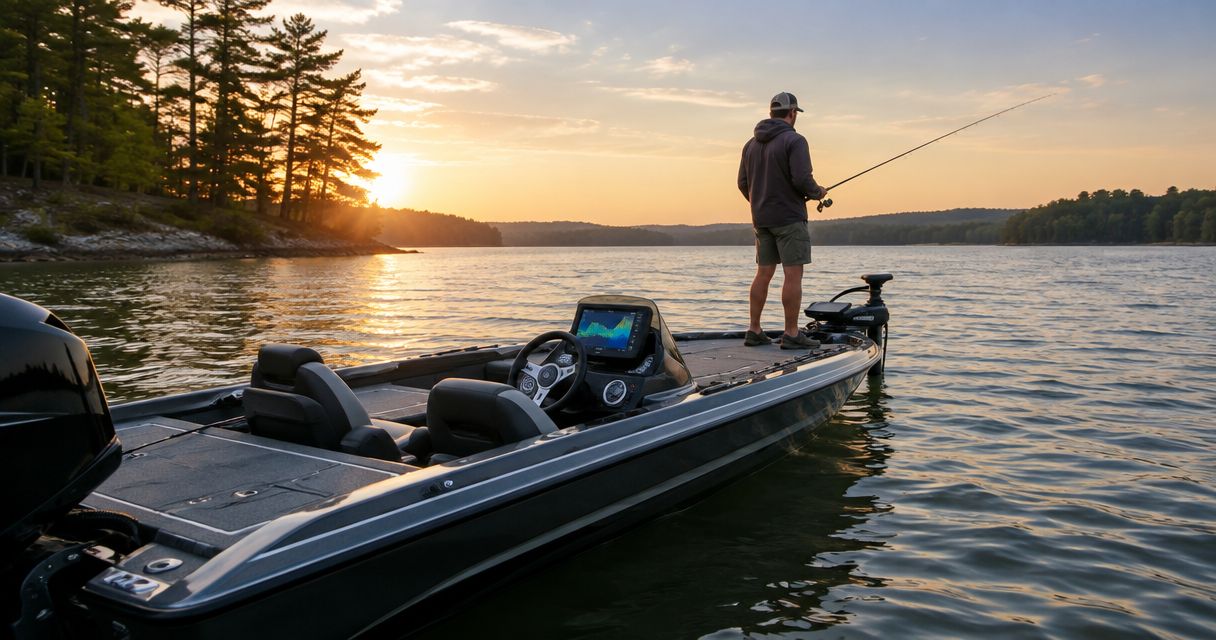
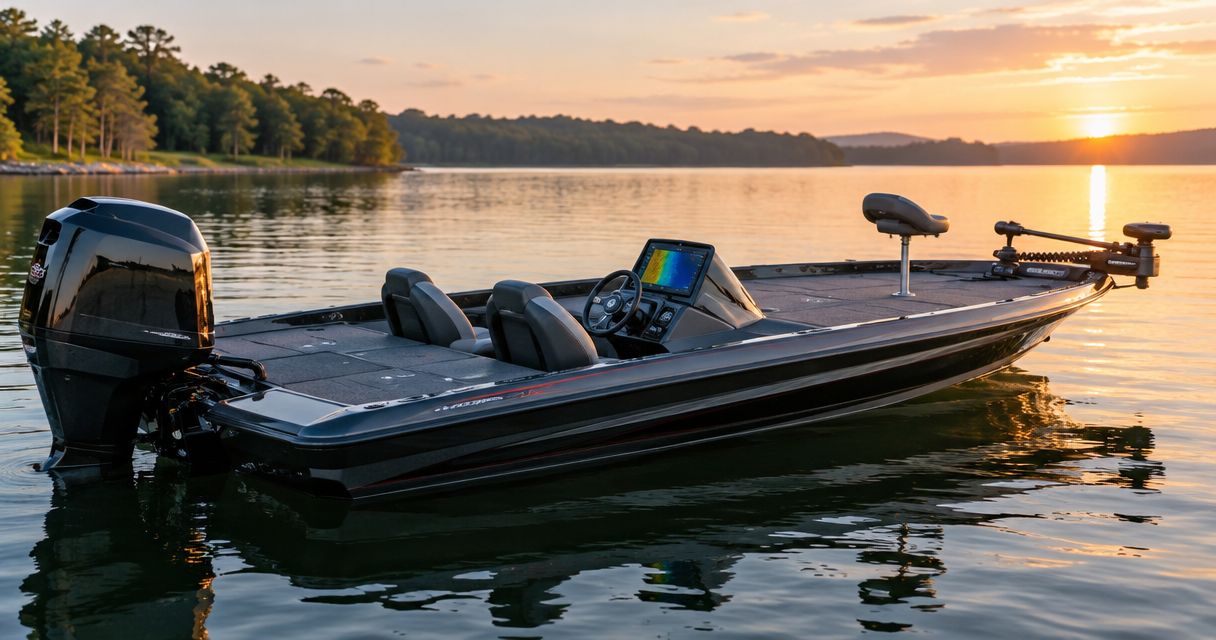
Best overall: a Tracker with a bass-focused layout. Best for solo trips: a compact fishing layout. Best for exposed seating concerns: a higher-sided fishing layout. Best for shared outings: a mixed-use fishing layout. These are buying profiles: choose the individual boat by its condition, fishing space, and fit for your usual trips in 2026.
- For best Tracker boats for bass fishing 2026, prioritize a bass-focused layout with clear casting space and accessible storage.
- Choose a compact fishing layout when solo launching, towing, and storage matter most.
- Choose higher sides for seated fishing preferences, not as proof of rough-water capability.
- D1 Automotive and Marine serves Tracker buyers in Seneca, SC; compare each boat’s documented condition before deciding.
Why this matters
A boat can look ready to fish while making your normal fishing routine awkward. A blocked casting position, inconvenient rod storage, or a difficult trailer setup becomes your problem every trip.
For Lake Keowee and Lake Hartwell buyers, start with how you actually fish: alone or with a partner, standing or seated, short outings or longer sessions. D1 Automotive and Marine is a local option for Tracker boat buyers who want boat sales support in Seneca, SC. Explore D1 Automotive and Marine as you narrow your requirements.
What makes the best Tracker boat for bass fishing?
Use these criteria for your 2026 shortlist before comparing model names or accessories:
- Casting access: You need a stable place to fish without stepping around seats, bags, or open compartments.
- Usable storage: Rods, tackle, and safety equipment need designated spaces that remain accessible during a trip.
- Fishing controls: Check that the steering, engine controls, and any fitted trolling motor work from practical positions.
- Documented condition: Inspect the hull, engine, electrical equipment, and trailer. Service records support the inspection; they do not replace it.
- Ownership fit: Confirm that the complete boat-and-trailer package fits your tow vehicle, storage space, and launching routine.
Do not let an attractive accessory package excuse a poor fit. Electronics can help you fish, but they do not correct damaged structure, inconvenient access, or an unsuitable towing setup.
Best Tracker fishing layouts at a glance
The ranking compares buying profiles rather than treating every boat carrying the same badge as identical. Apply each profile to the actual Tracker you inspect, including its installed equipment and any previous-owner changes.
| Rank and buying profile | Best for | Standout feature to seek | Key limitation |
|---|---|---|---|
| 1. Bass-focused layout | Dedicated casting and bass fishing | Clear fishing positions with accessible tackle storage | Fishing-first space can conflict with passenger comfort |
| 2. Compact fishing layout | Solo ownership and limited storage space | A manageable overall boat-and-trailer footprint | Less room for people and equipment |
| 3. Higher-sided fishing layout | Anglers who prefer seated fishing | Comfortable seating with practical reach to fishing gear | Higher sides can make reaching the water less convenient |
| 4. Mixed-use fishing layout | Fishing trips that also include passengers | Seating that does not block essential fishing access | Passenger needs compete with casting and tackle space |
1. Bass-focused layout: best Tracker setup for dedicated bass fishing
A bass-focused Tracker is the default choice when casting, working shorelines, and managing tackle define your outings. Look for clear fishing positions, storage you can reach without interrupting your partner, and room to move without stepping over loose equipment.
For your 2026 search, inspect the layout with your normal gear in mind. A clean, empty deck tells you less than a walk-through that accounts for rods, tackle bags, a landing net, and required safety equipment.
Bass-focused layout pros:
- Clear casting positions support a fishing-first routine.
- Dedicated tackle storage keeps equipment out of walking areas.
- Separate fishing positions help you and a partner avoid crowding.
Bass-focused layout cons:
- Casting space does not automatically provide comfortable passenger seating.
- Added equipment can obstruct otherwise useful deck space.
- Standing positions still require careful footing and responsible operation.
Best for: Anglers whose main reason for owning a boat is bass fishing.
Ask the seller to demonstrate every fitted fishing system. Check compartment lids, latches, seat mounts, wiring, and any trolling-motor controls; do not assume an accessory works because it is installed.
Verdict: Buy a bass-focused Tracker when fishing access and verified condition both pass inspection. Skip an otherwise appealing example if its layout forces you to work around your equipment.
2. Compact fishing layout: best Tracker setup for solo ownership
A compact Tracker deserves a place on your shortlist when launching, storing, and handling the boat matter as much as deck space. Judge compactness by the complete package, not by the hull alone: the trailer, motor position, and projecting equipment affect its storage footprint.
Before choosing this profile, rehearse a normal trip from your driveway to the ramp. Confirm where you will park, load equipment, secure the boat, and retrieve it without relying on another person.
Compact fishing layout pros:
- A smaller footprint can suit restricted storage when measurements confirm the fit.
- Gear stays within reach when the layout is organized well.
- A simple fishing arrangement supports a focused solo routine.
Compact fishing layout cons:
- Limited space makes excess equipment harder to manage.
- A second angler can change how comfortably the boat fishes.
- Smaller dimensions do not establish towing suitability or handling capability.
Best for: Solo anglers who prioritize a manageable ownership routine over extra deck space.
If you normally fish with 2 anglers, inspect the boat with both fishing positions occupied. Practice moving between seats and reaching storage without crossing the other person’s working area.
Verdict: Buy a compact Tracker when your actual crew and equipment fit comfortably. Skip it if every trip starts with deciding which essential gear to leave behind.
3. Higher-sided fishing layout: best Tracker setup for seated fishing
A higher-sided layout belongs on your list when you prefer fishing from a seated position rather than spending the day on a raised casting area. Assess the relationship between seat height, side height, rod handling, and access to the water.
Do not use the side profile as a shortcut for judging safety. Hull condition, loading limits, weather, operator decisions, and the boat’s intended use still govern whether a trip is appropriate.
Higher-sided fishing layout pros:
- Defined seating positions can suit anglers who prefer to fish sitting down.
- Storage beside seating can reduce unnecessary movement when arranged well.
- A clear cockpit arrangement can keep frequently used gear close.
Higher-sided fishing layout cons:
- Reaching the water to land or release a fish can be less convenient.
- Seats and side structures can restrict some casting movements.
- A sheltered-feeling position does not prove rough-water suitability.
Best for: Anglers who put seated comfort and easy equipment access ahead of an open casting-deck layout.
During a stationary inspection, sit where you expect to fish. Check whether you can operate the fitted controls, reach tackle, and handle a landing net without an awkward stretch.
Verdict: Buy a higher-sided Tracker when its seated fishing position works for you. Skip it if the arrangement interferes with your usual casting or fish-handling routine.
4. Mixed-use fishing layout: best Tracker setup for shared outings
A mixed-use Tracker makes sense when not every passenger wants to cast all day. Look for a layout that accommodates seated passengers without blocking the fishing positions, access routes, or essential equipment.
The decision is about priorities, not having everything at once. In 2026, choose this profile only if passenger comfort genuinely belongs in your normal trip plan rather than an occasional imagined outing.
Mixed-use fishing layout pros:
- Seating supports trips that are not exclusively about fishing.
- Flexible space can accommodate different outing plans.
- A workable passenger arrangement helps you share the boat without improvising seats.
Mixed-use fishing layout cons:
- Passenger seating competes with open casting space.
- Personal bags and fishing gear need separate storage planning.
- A compromise layout will not suit every fishing technique equally well.
Best for: Owners who regularly combine bass fishing with relaxed passenger outings.
Inspect the boat in the configuration you will actually use. Check the capacity plate and manufacturer guidance rather than judging passenger suitability by the number of visible seats.
Verdict: Buy a mixed-use Tracker when its passenger arrangement leaves enough working space to fish. Skip it if accommodating passengers removes the main reason you wanted a fishing boat.
How to inspect your shortlisted Tracker
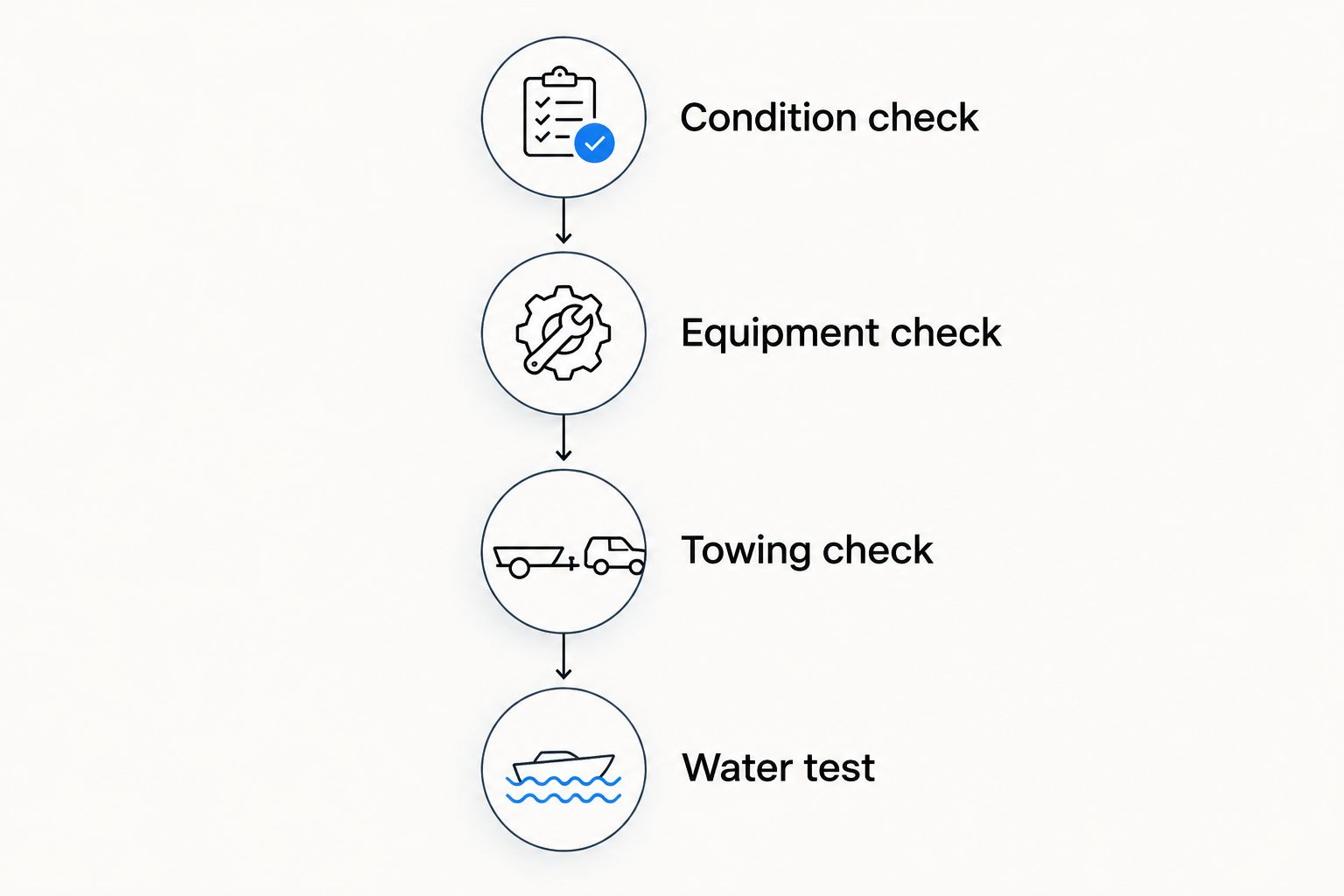
A good layout earns an inspection, not an automatic purchase. For a used Tracker, work through these checks before making your decision.
Condition check
Look for hull damage, suspect repairs, loose fittings, soft areas, corrosion, and damaged wiring. Ask a qualified marine professional to assess concerns rather than treating cosmetic cleanup as evidence of sound condition.
Equipment check
Have the seller demonstrate the engine and fitted equipment using appropriate operating procedures. Open compartments and test switches, pumps, lights, electronics, and any trolling motor instead of accepting a general statement that everything works.
Towing check
Check 2 tow-vehicle ratings: the towing limit and payload limit. Then confirm the complete loaded combination against the relevant vehicle, hitch, trailer, and boat guidance; a dry hull figure alone does not settle the question.
Water test
Arrange an appropriate on-water demonstration before committing. Observe starting, steering, shifting, controls, and the equipment you expect to use, with a qualified operator handling anything outside your experience.
Keep your 2026 comparison notes consistent. Record the same findings for every boat so an impressive accessory does not distract you from an unresolved mechanical or structural concern.
Discuss your Tracker boat search
Tell D1 Automotive and Marine how you fish, who comes along, and what your towing setup allows.
How these buying profiles are ranked
Bass-focused layouts rank first because this guide prioritizes bass fishing: casting access, usable storage, and practical equipment placement. Compact, higher-sided, and mixed-use layouts follow because each answers a different ownership need.
This is a layout-based buying guide, not a claim of hands-on testing or a model-by-model performance ranking. A well-maintained boat that fits your routine is a better candidate than a higher-ranked profile with unresolved inspection problems.
Which Tracker fishing layout should you choose?
Choose a bass-focused Tracker unless solo handling, seated fishing, or passenger needs give you a clear reason to choose another layout. That is the default for a buyer whose primary goal is bass fishing.
Bring D1 Automotive and Marine a short brief: your usual crew, preferred fishing position, storage constraints, and tow-vehicle details. Those requirements make the conversation about the boat you will use, not just the badge you recognize.
FAQ
What is the best Tracker boat for bass fishing in 2026?
A Tracker with a bass-focused layout is the default choice for dedicated bass fishing in 2026. Prioritize clear casting positions, accessible tackle storage, and verified condition over accessories or appearance.
Which Tracker setup is best if I usually fish alone?
A compact fishing layout is the best starting point for a solo angler who prioritizes handling and storage. Confirm the complete trailer footprint and rehearse your launching routine before choosing.
Is a higher-sided Tracker better than a bass-focused layout?
A higher-sided Tracker is a better fit when you prefer seated fishing, but it is not automatically better for bass fishing. Compare casting access, reach to the water, and the actual seating arrangement.
Can I use a Tracker for fishing and passenger outings?
Choose a mixed-use fishing layout if passenger outings are a regular part of your plans. Check the capacity plate and make sure seating leaves practical access to fishing positions and equipment.
What should I check before buying a used Tracker?
Check the hull, engine, electrical equipment, trailer, and service documentation before buying a used Tracker. Arrange a qualified inspection and an appropriate on-water demonstration to investigate unresolved concerns.
How do I know whether my vehicle can tow a Tracker?
Compare the complete loaded boat-and-trailer combination with your vehicle’s towing and payload limits and the relevant hitch ratings. Do not use hull weight alone to decide whether the setup is suitable.
Where can I discuss buying a Tracker in Seneca, SC?
D1 Automotive and Marine is a boat dealership in Seneca, SC serving boat buyers, including buyers interested in Tracker. Explain your fishing routine, crew needs, and towing setup when discussing your search.
One last thing
Before choosing, assign 3 storage areas: rods, tackle, and safety equipment. Then check whether you can reach each without unloading another category onto the deck.
That simple exercise exposes a layout problem a clean display boat can hide. If your equipment has no practical home, keep looking.